
Audience

What Emerging Leaders Should Know About Police Leadership Training: Results from a New NPI Survey

Police leadership training and development is one of the most important — and current — issues facing law enforcement. Agencies are confronting turnover, retirements, succession challenges, recruitment pressures, budgetary constraints, and, in the midst of all of this, increasing demands for accountability and transparency (Del Pozo et al., 2024; Frade & Walsh, 2026; Hoggett et…

Read More...

Fatigue on the Road: The Hidden Risk Factor in Officer-Involved Crashes

The Big Picture Between 2016 and 2025, 472 law enforcement officers died in roadway-related incidents, including 310 from motor vehicle crashes and 162 from struck-by incidents, according to data reported by the National Law Enforcement Officers Memorial Fund. Even when collisions aren’t fatal, they can have lasting consequences for officers, their families, their agencies, and…

Read More...

Tested Solutions vs. Earned Results: Why Law Enforcement Tech & Evidence-Based Approaches May Not Deliver Results

The Big Picture Law enforcement agencies have more tools than ever to improve public safety. Body-worn cameras, license plate readers, gunshot detection systems, drones, and a growing list of other technologies are helping agencies understand, prepare for, and respond to crime more effectively. Research has kept pace, producing a strong evidence base for approaches like…

Read More...

The Proliferation of Ghost Guns: Regulation Gaps and Challenges for Law Enforcement

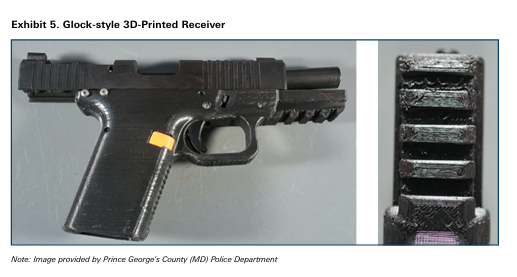
In recent years, ghost guns (also known as privately made or unserialized firearms) have become a significant concern to law enforcement and public safety. The term “ghost gun” encompasses a variety of firearms produced from components that are not currently regulated by federal firearm laws. Most commonly, ghost guns are produced from components purchased (generally…

Read More...

Search/Filter