
Eyewitness Identification in Law Enforcement: Bridging the Gap Between Science, Policy, and Practice
Eyewitness identification remains one of the most powerful—and most scrutinized—forms of evidence…

The Proliferation of Ghost Guns: Regulation Gaps and Challenges for Law Enforcement
In recent years, ghost guns (also known as privately made or unserialized…

When Homelessness Becomes a Law Enforcement Problem—and Why They Can’t Solve It Alone
Law enforcement agencies across the United States are more and more involved…
Reducing Organizational Stress—and Its Potential Harm—Across the Organization
Why reducing organizational stress—and limiting its harm—takes action at every level Stress…
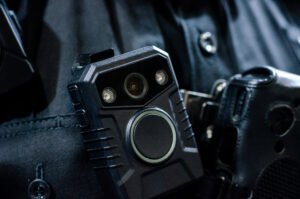
Measuring What Matters in Police–Community Encounters: NPI’s Rapid Performance Assessment
Despite many technological innovations in policing over the past three decades, the…
Measuring What Matters: Why Public Confidence Is the New Bottom Line in Policing
Measuring What Matters: Why Public Confidence Is the New Bottom Line in…

Six Trends to Watch in American Policing in 2026
We’re heading into 2026 with a public safety landscape that feels anything…

How We Figure Out What Works in Policing (and Why It Matters)
When most people think about police work, they picture TV scenes—high-speed chases,…

Generalized Stop and Frisk is Not the Answer: Improved Strategies for Violent Street Crime Reduction
A recent article on stops and searches by the Metropolitan Police in…

Building a (Police) Field of Dreams with Implementation Science
Ask any person who has successfully rolled out a new initiative or…