
Welcome to the OnPolicing Series
OnPolicing captures the thoughts of some of the country’s most important voices on contemporary policing. It is intended to stimulate debate about the state of policing and the myriad of challenges involved in controlling crime, disorder, and terrorism in a democracy like ours. The opinions are the authors’ own and may not represent the official position of the National Policing Institute.

The Need for Relationship-Based Policing
In recent years, law enforcement agencies across the United States have increasingly recognized the importance of strengthening community trust, improving community relations, and building sustainable partnerships with the community members they serve. Traditional community policing and community-oriented policing services (COP) have long been the primary frameworks for these efforts, and research has shown that COP…

De-escalation Training: What Works, What Doesn’t, and How Agencies Can Evaluate It
Over the past decade, high-profile use of force incidents in the U.S., particularly those involving unarmed individuals or those armed with non-firearm weapons, have intensified public scrutiny of law enforcement officers and reshaped expectations for how officers engage with the communities they serve. Today, officers are expected to have the tactical skills, communication skills, and…

The Unseen Threat: How Police Culture Can Undercut Safety
Now more than ever, officer safety and wellness are critical issues in law enforcement. Annually, law enforcement officers are lost due to felonious assaults, officer-involved collisions, and struck-by incidents at alarming rates. Law enforcement will never be risk-free, but can you reduce the risks through better decision-making about risk-taking? Organizational Culture and Influence Organizational culture…
Eyewitness Identification in Law Enforcement: Bridging the Gap Between Science, Policy, and Practice
Eyewitness identification remains one of the most powerful—and most scrutinized—forms of evidence in the criminal justice system. From photo arrays to live showups, identification procedures play a pivotal role in investigations, prosecutions, and court outcomes. Yet despite decades of scientific research, law enforcement policies and field practices, and courts have not always been aligned with…

The Proliferation of Ghost Guns: Regulation Gaps and Challenges for Law Enforcement
In recent years, ghost guns (also known as privately made or unserialized firearms) have become a significant concern to law enforcement and public safety. The term “ghost gun” encompasses a variety of firearms produced from components that are not currently regulated by federal firearm laws. Most commonly, ghost guns are produced from components purchased (generally…

When Homelessness Becomes a Law Enforcement Problem—and Why They Can’t Solve It Alone
Law enforcement agencies across the United States are more and more involved in responding to homelessness. Calls for service involving people who are unhoused, especially those who are chronically homeless, take up a great deal of officer time and agency resources. But being homeless is not a crime. This fact means homelessness is not, at…

Reducing Organizational Stress—and Its Potential Harm—Across the Organization
Why reducing organizational stress—and limiting its harm—takes action at every level Stress is widely recognized as inherent in law enforcement work. Traditionally, the dangers and traumatic exposures associated with policing have been viewed as the primary threats to officer health and performance. However, a growing body of research demonstrates that chronic organizational stressors often exert…
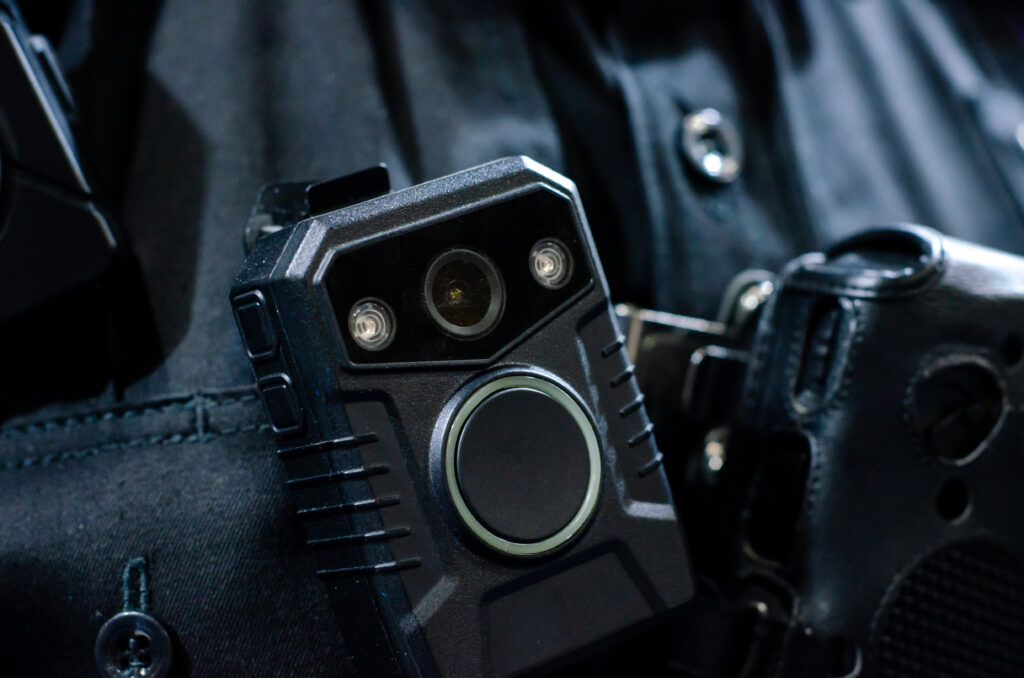
Measuring What Matters in Police–Community Encounters: NPI’s Rapid Performance Assessment
Despite many technological innovations in policing over the past three decades, the profession remains rooted in face-to-face interactions between officers and community members. The mainstay of policing is still officers responding in person to a call for service and interacting with a community member. These interactions, occurring every day in communities large and small across…

Widely Used or Widely Known? Diffusing Hot Spots Policing
In recent decades, police scholars and practitioners have focused on the concentration of crime in specific locations, known as “hot spots.” Among police researchers, Weisburd (2015) has claimed that a “law of crime concentration” should become a key focus of research and inform crime reduction efforts. Many practitioners, in turn, have long sought to put…

Measuring What Matters: Why Public Confidence Is the New Bottom Line in Policing
Measuring What Matters: Why Public Confidence Is the New Bottom Line in Policing Public agencies do not measure success the same way private companies do. There is no profit margin or stock price that determines whether a law enforcement agency or city government has succeeded. Instead, as Harvard’s Mark Moore argues in Recognizing Public Value (2013),…